

I didn’t enter healthcare expecting it to be easy. Anyone who chooses this career knows the job will be demanding. Long shifts, emotional situations, and high responsibility are part of the role. For many of us, that challenge is exactly what drew us to the profession in the first place. We wanted to help people. We wanted our work to matter.
But somewhere along the way, something changed.
Across hospitals, clinics, and community services, more healthcare professionals are leaving their jobs. Some are changing careers entirely. Others are reducing their hours, moving into non-clinical roles, or taking extended breaks just to recover. It’s not because they stopped caring about patients. In many cases, it’s because they cared too much for too long without the support they needed.
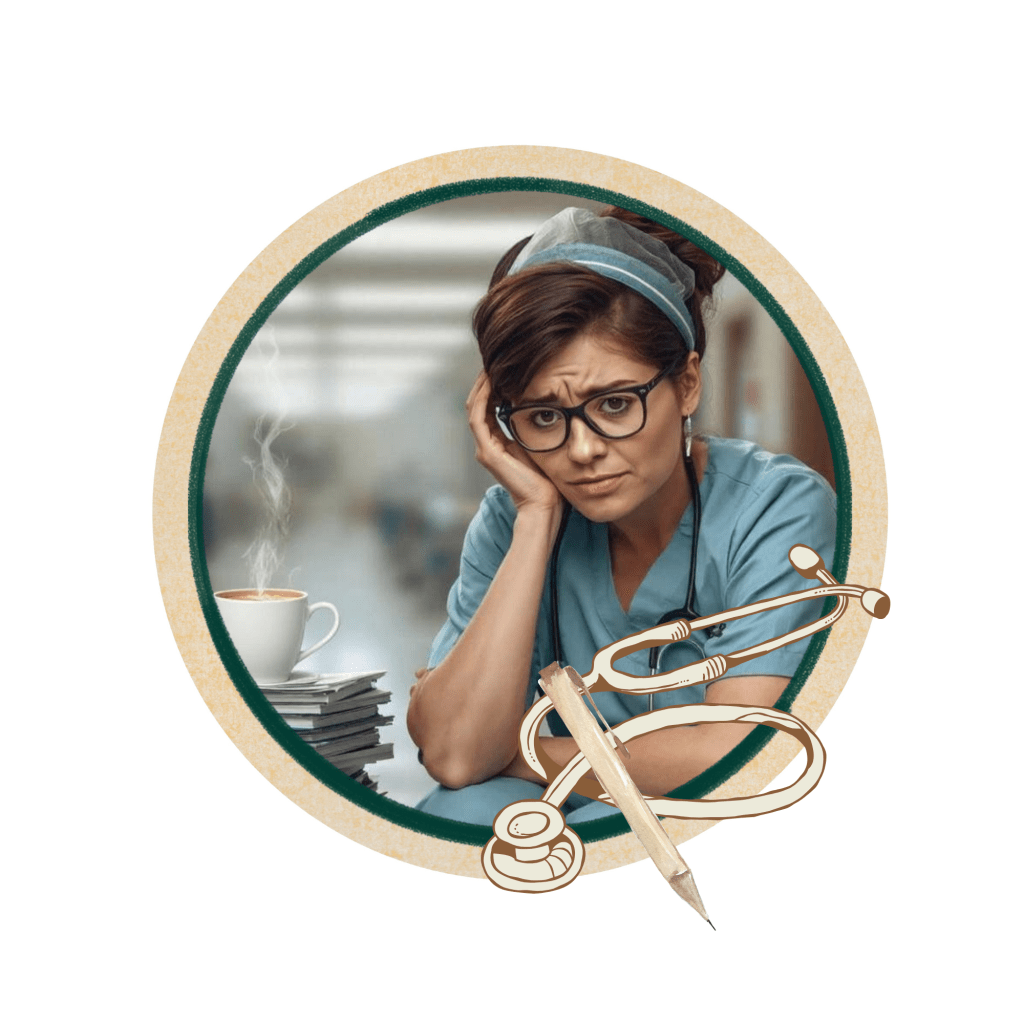
There came a point in my career when the weight of the burnout became too heavy to ignore. The constant exhaustion, the emotional toll and the feeling of being stretched beyond what was sustainable forced me to make a difficult decision – I stepped away. I changed jobs, took time off without having another role lined up, something that once terrified me. For a long time, I worried that leaving meant I had failed, that walking away from a profession I cared about meant I wasn’t strong enough. But over time I realised the opposite was true. Sometimes the bravest thing we can do is recognise when something is harming us and choose to step back. Leaving wasn’t failure, it was survival, and it was the first step towards finding balance again.
From my perspective, there isn’t just one reason why healthcare workers are leaving. It’s usually a combination of factors that build over time. Increased workloads, chronic understaffing, toxic workplace cultures, and the growing toll on our physical and mental health all play a role. When these pressures continue long enough without change, burnout becomes almost inevitable.
The Reality of Increasing Workloads
One of the most noticeable changes in healthcare over the past decade has been the steady increase in workload. Many of us are caring for more patients than we used to, often with fewer staff available to help. Patient needs have become more complex, documentation requirements have grown, and expectations around efficiency continue to increase.
In theory, these changes are meant to improve healthcare systems. In reality, they often mean that frontline staff are expected to do more in less time.
I’ve had shifts where I barely had a moment to stop and think. Moving from patient to patient, task to task, charting between interruptions, answering questions from colleagues, responding to emergencies, and trying to stay on top of everything at once. By the end of the day, it can feel like you’ve been running non-stop without ever catching up.
When workloads consistently exceed what is manageable, it doesn’t just make the job harder. It makes it feel impossible to provide the kind of care we were trained to give.
Chronic Staff Shortages
Another issue many healthcare professionals face is the ongoing shortage of staff.
Working short-staffed occasionally is something most of us can handle. Healthcare is unpredictable, and sometimes teams need to adapt. But when short staffing becomes the norm rather than the exception, it creates constant pressure.
Fewer staff means more patients per clinician, fewer breaks, and less time to recover between demanding tasks. It also means that when someone calls in sick or takes leave, the remaining staff must absorb that workload.
Over time, this creates a cycle that becomes difficult to break. Staff become exhausted and burnt out, which increases absenteeism and turnover. That turnover then places even more pressure on the staff who remain.
From the outside, people often assume healthcare professionals are leaving because they don’t want to work hard anymore. The reality is usually the opposite. Many of us are leaving because we have been working too hard for too long without sustainable support.
Lack of Support
Support from leadership can make an enormous difference in how manageable a stressful job feels. When healthcare professionals feel supported by their managers, they are more likely to cope with difficult situations and maintain resilience during challenging periods. Support can come in many forms—clear communication, access to resources, recognition of hard work, or simply feeling heard when concerns are raised.
Unfortunately, this support is not always present.
In some workplaces, staff feel like their concerns are dismissed or ignored. Requests for additional support may go unanswered, and feedback about workload or safety concerns may not lead to meaningful changes.
When staff feel unsupported by management, it can create a sense of frustration and helplessness. It becomes difficult to feel motivated or engaged when the system around you seems unwilling to acknowledge the challenges you face every day.
Toxic Work Environments
Workplace culture also plays a significant role in whether healthcare professionals stay in their roles.
A positive workplace culture can make even the most demanding job feel manageable. Teams that communicate well, support each other, and work collaboratively can create an environment where people feel valued and respected.
But not every healthcare environment is like that.
Toxic workplace cultures can develop when communication breaks down, when blame replaces accountability, or when staff feel they are competing rather than collaborating. Bullying, favouritism, and poor leadership can further damage morale. In these environments, the stress of the job is amplified. Instead of feeling supported by the team around them, healthcare professionals may feel isolated or constantly on edge.
Over time, this kind of environment becomes emotionally exhausting. Many professionals eventually reach a point were leaving feels like the only way to protect their wellbeing.
The Impact on Physical Health
The physical demands of healthcare are often underestimated.
Long shifts, standing for extended periods, lifting or assisting patients, and constantly moving throughout the workplace can take a significant toll on the body. Sleep patterns are often disrupted by shift work, night shifts, or rotating schedules.
Many healthcare professionals also struggle to find time for basic self-care during shifts. Skipping meals, delaying bathroom breaks, and working through fatigue can become routine.
Over time, these habits can lead to chronic fatigue, musculoskeletal injuries, headaches, and weakened immune systems. It’s not uncommon for healthcare workers to feel physically drained long after their shifts end.
When physical exhaustion becomes constant, it affects every aspect of life outside work as well.
The Impact on Mental and Emotional Wellbeing
The emotional demands of healthcare can be just as challenging as the physical ones. Healthcare professionals regularly witness illness, trauma, grief, and loss. We support patients and families through some of the most difficult moments of their lives. While this work can be meaningful, it can also be emotionally heavy.
When combined with high workloads and lack of support, these emotional demands can become overwhelming.
Many healthcare workers experience symptoms such as anxiety, irritability, emotional numbness, or difficulty switching off after work. Sleep can become disrupted, and it may feel harder to relax or enjoy time away from work.
Some professionals begin to feel detached from the work they once cared deeply about. Others feel constant guilt that they can’t give patients the time or attention they deserve.
These experiences are not signs of weakness. They are common responses to chronic stress and emotional overload.
When Burnout Takes Hold
Burnout doesn’t usually happen overnight. It develops gradually as the pressures of the job accumulate over time.
For me, this meant sleep disturbances, trouble falling asleep, and always feeling exhausted, no matter how much sleep I got. Irritable and with a short fuse, I stopped engaging in meaningful conversations with my loved ones, and I was always “checked out”. I also experience extreme anxiety and panic at the thought of going to work, so of course, my sick leave increased.
At first, it might look like simple exhaustion. Feeling tired after a shift or needing extra rest on days off. But as the stress continues, the exhaustion becomes deeper. Motivation declines, patience wears thin, and the sense of accomplishment that once came from helping patients starts to fade.
Burnout is often described as having three main components: emotional exhaustion, cynicism or detachment, and a reduced sense of professional effectiveness. When healthcare professionals reach this stage, continuing in the same environment can feel unsustainable.
For many people, leaving the job becomes less about giving up and more about survival.
Why This Conversation Matters
The growing number of healthcare professionals leaving their roles is not just a workforce issue. It is also a reflection of the pressures facing healthcare systems around the world.
When experienced clinicians leave, valuable knowledge and skills leave with them. This can place additional strain on remaining staff and ultimately impact patient care. Addressing these challenges requires more than encouraging individual resilience. Healthcare workers cannot solve systemic problems on their own.
Improving staffing levels, creating supportive leadership cultures, addressing toxic workplace behaviours, and prioritizing staff wellbeing are all essential steps toward building sustainable healthcare systems.
A Final Reflection
Most healthcare professionals didn’t enter this field because it was easy. We chose it because we wanted to help people. But caring for others should not come at the cost of our own health and wellbeing. If so many skilled, compassionate professionals are leaving their roles, it’s worth asking why—and more importantly, what needs to change so that those who want to stay can continue doing the work they love without sacrificing themselves in the process.
Leave a Reply