
When I was at university many years ago, burnout wasn’t something we talked about seriously. It wasn’t in the lectures, it wasn’t in the classes, and I didn’t hear about it until I started my placements—and eventually my first job. Sure, staff joked about it, usually referring to the “old, burnt-out nurse” at the end of her career, the one who looked grumpy because, well, 50 years of nursing had taken its toll. I remember thinking, phew, that won’t be me anytime soon. I felt a quiet relief that burnout was something far off in the distant future.
I was wrong.
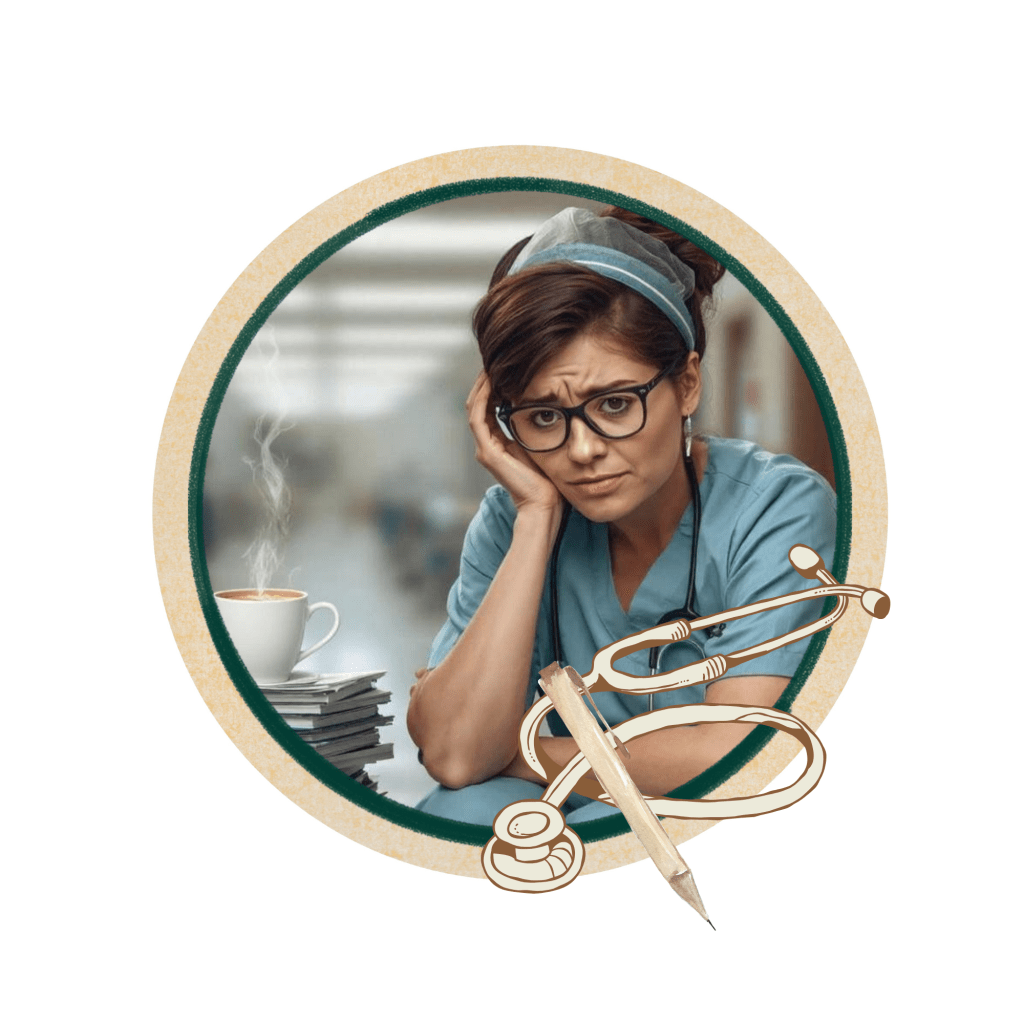
Fifteen years into my career, I can honestly say: I am burnt out. And this isn’t just being tired. It’s not just working hard or not having enough “me time.” The burnout I’m talking about is the kind where no amount of sleep makes a difference. It’s the irritability over tiny, insignificant things. It’s the guilt when I can’t complete all my tasks because I’m caring for three times the number of patients I’m supposed to have.
It’s being guilted into overtime by management because we’re short-staffed (often because other colleagues have succumbed to burnout too). It’s the same management expecting more every shift to cover the gaps in staffing and increased patient loads.
This burnout is not about age or years of service. It’s the kind that comes from feeling unappreciated, facing violence or abuse at work, having no energy left for family on days off, and losing motivation for things that once brought joy. It’s the pressure of making life-and-death decisions only to be criticized for choices made in impossible circumstances.
This burnout grows when we watch the news, hearing about all the things “healthcare is doing wrong,” while governments fail to increase wages, staffing, or support.
I needed to do something for myself. I wanted to see if others were suffering in silence like I was. So, I did what most people do these days: I googled it. What I discovered was both alarming and comforting: I was not alone. So many healthcare professionals feel exactly what I feel. I needed help, support, and a way to process this experience—so I decided to write about it.
Enter Nurse Interrupted
Nurse Interrupted is my space to talk about burnout: what causes it, the signs to watch for in yourself or your colleagues, and ways to recover. It’s a place to share experiences, provide resources, and encourage engagement. My hope is to build a community that appreciates, supports, and uplifts healthcare professionals.
Healthcare workers are some of the most dedicated people in our society. But behind the commitment and compassion lies a growing problem: burnout. In Australia, nurses, doctors, and allied health workers are increasingly facing emotional exhaustion, stress, and disillusionment. Burnout isn’t just “feeling tired” — it can have serious consequences for both staff and patients.
Top Causes of Burnout in Healthcare
Burnout doesn’t happen overnight. Here are the main drivers in the Australian healthcare system:
- Excessive workload and long hours – Constantly high patient loads and extended shifts
- Staff shortages – Leaving remaining staff to take on extra duties
- Emotional strain – Dealing with sickness, trauma, and death daily
- Poor work-life balance – Night shifts, on-call duties, and irregular hours
- Moral distress – Feeling unable to provide the care patients need due to constraints
- Lack of support and recognition – Limited guidance, mentorship, and appreciation
- Administrative burden – Excessive paperwork and bureaucracy
- High-stakes responsibility – Life-or-death decisions add constant stress
- Workplace culture issues – Bullying, harassment, and unsupportive teams
- Pandemic and crisis pressures – COVID-19 amplified workload, infection risk, and emotional strain
The Impact of Burnout
Burnout affects more than just healthcare workers:
- Patient safety: Higher risk of errors and lower quality of care
- Staff turnover: Many leave the profession, worsening shortages
- Mental health: Increased risk of anxiety, depression, and suicide
Now here I am 15 years into my career wondering if should stay or leave and do something different…
Leave a Reply