
I didn’t wake up one day suddenly burnt out.
Looking back, it crept in slowly. Quietly. Almost unnoticed at first.
In the beginning, I told myself I was just tired. It made sense—I was working long shifts, juggling responsibilities, and trying to keep up with everything that came with working in healthcare. Of course I was exhausted. Anyone would be.
So I pushed through.
I told myself it would get better after a few days off. I told myself everyone else was probably feeling the same way. I convinced myself that what I was experiencing was normal.
But it didn’t go away.
When Things Started to Feel Different
Over time, something shifted.
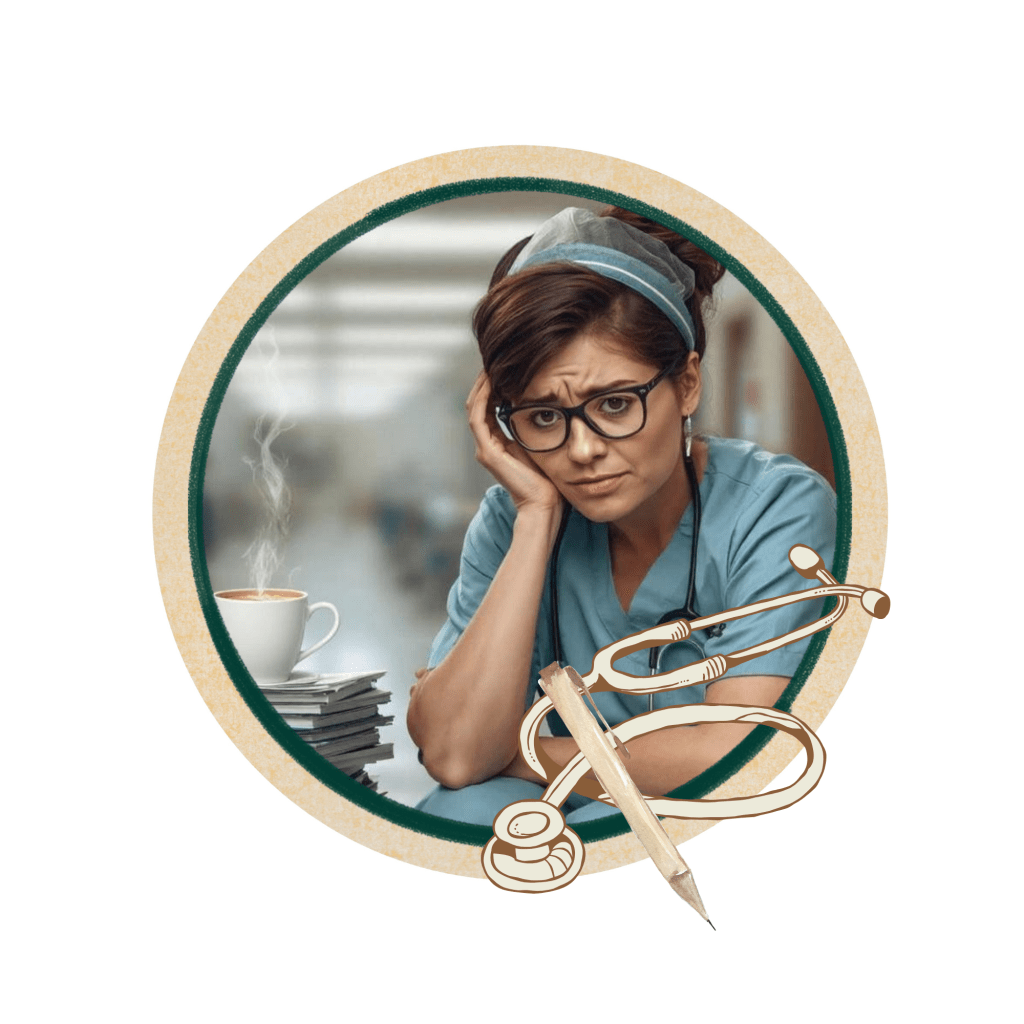
I noticed I was not motivated for work anymore. Tasks that once felt meaningful started to feel heavy and draining. I wasn’t as engaged with patients. I wasn’t as present with colleagues. I was just getting through the day. I was becoming that bitter old nurse that people spoke about when I first started in my career, the problem was I was only 10 years in!!
Then it started to affect things outside of work.
The hobbies I used to enjoy—things that once helped me unwind—no longer brought me any joy. It felt like the energy to care about anything had slowly disappeared. Even simple things felt like effort.
I became irritable. Small things started to frustrate me in ways they never had before. I wasn’t as patient, and I didn’t recognise that version of myself.
Sleep became a struggle. I either couldn’t fall asleep, or I would wake up feeling just as exhausted as when I went to bed. It was never restorative. No matter how many hours I got, I still felt drained.
Mornings became the hardest part.
I had no desire to get up and face the day. It wasn’t just about being tired—it was a deep sense of dread and heaviness that sat with me before my shift even started.
When Burnout Took Over
As things progressed, I started to notice changes in how I was living my life.
My self-care slipped. The small routines that once helped me feel grounded—eating properly, moving my body, taking time to rest—started to fall away.
I stopped talking to friends and family as much. At first, it was because I felt too tired. Then it became easier to withdraw altogether. Socialising felt like another demand I didn’t have the energy for.
I lost weight without trying. Not because I was making healthy changes, but because I didn’t have the energy to eat properly. Even preparing a meal felt like too much some days.
Exercise disappeared completely.
It wasn’t that I didn’t know these things were important. It was that I didn’t have the capacity to do them anymore.
That’s when I realised this wasn’t just “being tired.”
This was burnout. Eventually my mind and my body decided that we could not cope any longer. I woke up one morning, or rather just got pout of bed because surprise I was not sleeping and told my wife that I needed to quit my job. I hate everything about being a nurse and that I did not feel supported at my workplace to be able to get help and keep working. Thankfully I have an amazingly supportive wife and because she had been living with what the burnout was doing to me, and to us, she told me to go for it. I was scared because I did not have another job to fall back on but the emotion that took over was relief.
If any of this sounds familiar to you and you recognise yourself or someone you care about in this story, then please keep reading…

The Signs of Burnout (That Are Easy to Miss)
Burnout doesn’t always look the way we expect. It’s not always dramatic or obvious. Often, it shows up in subtle ways that gradually build over time.
Looking back on my experience, these were some of the key signs:
1. Constant Exhaustion
Not just physical tiredness, but a deep, ongoing fatigue that doesn’t improve with rest. I would try my best to keep a sleep schedule (because that’s what all the books say right!) but nothing worked.
2. Loss of Motivation
Struggling to find the drive to go to work or complete everyday tasks. Looking after patients now felt like a huge task that gave me no joy, no feelings of pride that I was helping those in need. I felt numb and was just checking tasks off my “to do list”
3. Emotional Detachment
Feeling disconnected from patients, colleagues, or even your own life. I could go a whole day without speaking to my wife, friends called and ignored the calls, I didn’t have those little chats with my patients while helping them and I ate lunch alone to avoid interactions with others.
4. Loss of Joy
No longer enjoying hobbies or activities that once brought you happiness. I constantly cancelled plans or just declined the invitation. I didn’t want to leave the house; I stopped doing this I enjoyed.
5. Irritability
Becoming easily frustrated or overwhelmed by small things. I noticed that it didn’t matter what others around me did everything annoyed me, the way my wife chewed her food, people walking slowly at the supermarket, People calling me just to say hello annoyed the crap out of me.
6. Sleep Disturbances
Difficulty falling asleep, staying asleep, or waking up feeling unrefreshed. For me it took ages to fall asleep, and I would wake up several times during the night, I was having nightmares and panic attacks that would last for hours.
7. Withdrawal from Others
Pulling away from friends, family, and social interactions. I did all of this. I would have my phone on silent permanently because the noise would irritate me and cause anxiety that would last the rest of the day. I felt overwhelmed at the thought of going out and having to participate in conversations.
8. Neglecting Self-Care
Skipping meals, not exercising, or losing routines that support wellbeing. I stopped putting on makeup (which is fine) but was at the time out of character for me. I stopped doing me hair. Stopped my day spa trips and didn’t even want to take my dog for a walk.
9. Physical Changes
Unintended weight loss or gain, frequent illness, or ongoing tension in the body. My hair started falling out, I had acne for the first time in my life. My period was all over the place and felt like I constantly had the flu. I should point out that I also have an autoimmune disease and during my period of burnout this was also completely out of control.
10. Dread Around Work
A heavy feeling before shifts, or a constant sense of pressure and overwhelm. I would have panic attacks on the way to work. I called in sick frequently. And when I was at work, I experienced brain fog, forgetting to complete certain tasks, and then would stress about them after my shift.
How to Identify Burnout Early
One of the hardest parts about burnout is recognising it before it becomes overwhelming.
If I could go back, I would pay more attention to the early signs,
- Feeling more tired than usual, even after rest
- Becoming less patient or more irritable
- Losing interest in things I normally enjoy
- Feeling emotionally drained after shifts
These small changes are often the first indicators that something isn’t right.
Checking in with yourself regularly can make a difference. Asking simple questions like, I Ask these questions regularly:
- How am I really feeling?
- Am I coping, or just getting through the day?
- What has changed for me recently?
These moments of reflection can help you notice patterns before burnout takes hold.
Ways to Reduce the Risk of Burnout
Burnout isn’t always preventable—especially in demanding environments like healthcare—but there are ways to reduce the risk and support your wellbeing. I think it’s important to point out now that I am still burnt out and that the process of healing will take a long time. It is also important to remind you all that everyone experience different and things that help me get through the day may not help someone else. If you can however find anything that helps stick to it because it does make a difference. Fun fact it takes more than just self-care tips like having a bath and staying hydrated!!
1. Start Small with Self-Care
Self-care doesn’t have to be complicated. Sometimes it’s as simple as eating regularly, staying hydrated, or getting a few minutes of fresh air.
2. Create Boundaries Where You Can
This might mean not checking work messages after hours, taking your breaks when possible, or learning to say no when you’re already overwhelmed.
3. Stay Connected
Even when it feels easier to withdraw, maintaining connections with friends, family, or colleagues can provide important support.
4. Acknowledge Your Limits
You don’t have to carry everything. Recognising when you’re reaching your limit is not weakness—it’s awareness.
5. Use Reflective Tools
Journaling, self-assessments, or even short check-ins can help you stay aware of how you’re coping over time.
6. Seek Support Early
Whether it’s talking to a colleague, a supervisor, or a professional, reaching out early can help prevent things from escalating.
A Final Reflection
Burnout didn’t happen to me overnight.
It built slowly, in ways that were easy to dismiss at first. By the time I fully recognised it, I was already deeply affected.
If any part of this resonates with you, take it as a sign to pause.
Not to panic—but to pay attention.
Because burnout doesn’t mean you’ve failed. It often means you’ve been strong for too long without enough support.
And recognising it early might be the most important step you can take toward protecting yourself.
While I was lucky and was able to walk away from the job for a year to help myself heal, some people to not have that luxury I would not recommend walking away from your job if you do not have another job to go to or are not financially in a position to do so because this will only make everything worse.
I still struggle with burnout every day, I no longer have the passion for the job that I once had. I struggle everyday with the task of going to work. I will one day be able to walk away completely but, in the meantime, I use everything I have learnt everyday to help me get through. I believe that walking away from a career that I worked hard to build will be tough but is do not see it as failure, I see it as looking after myself the same way I would tell anyone else to.
Leave a Reply